
From 1.42 ROAS to 4.31 ROAS
How Beyond Media Marketing diagnosed and rebuilt a DTC fashion brand’s paid social system, cutting ad spend nearly in half while growing revenue and turning paid social from an expense into a profit engine.
Meet the Client
Streetwear attitude, ski culture edge.
Industry
Women’s DTC Fashion
$50 to $100 AOV
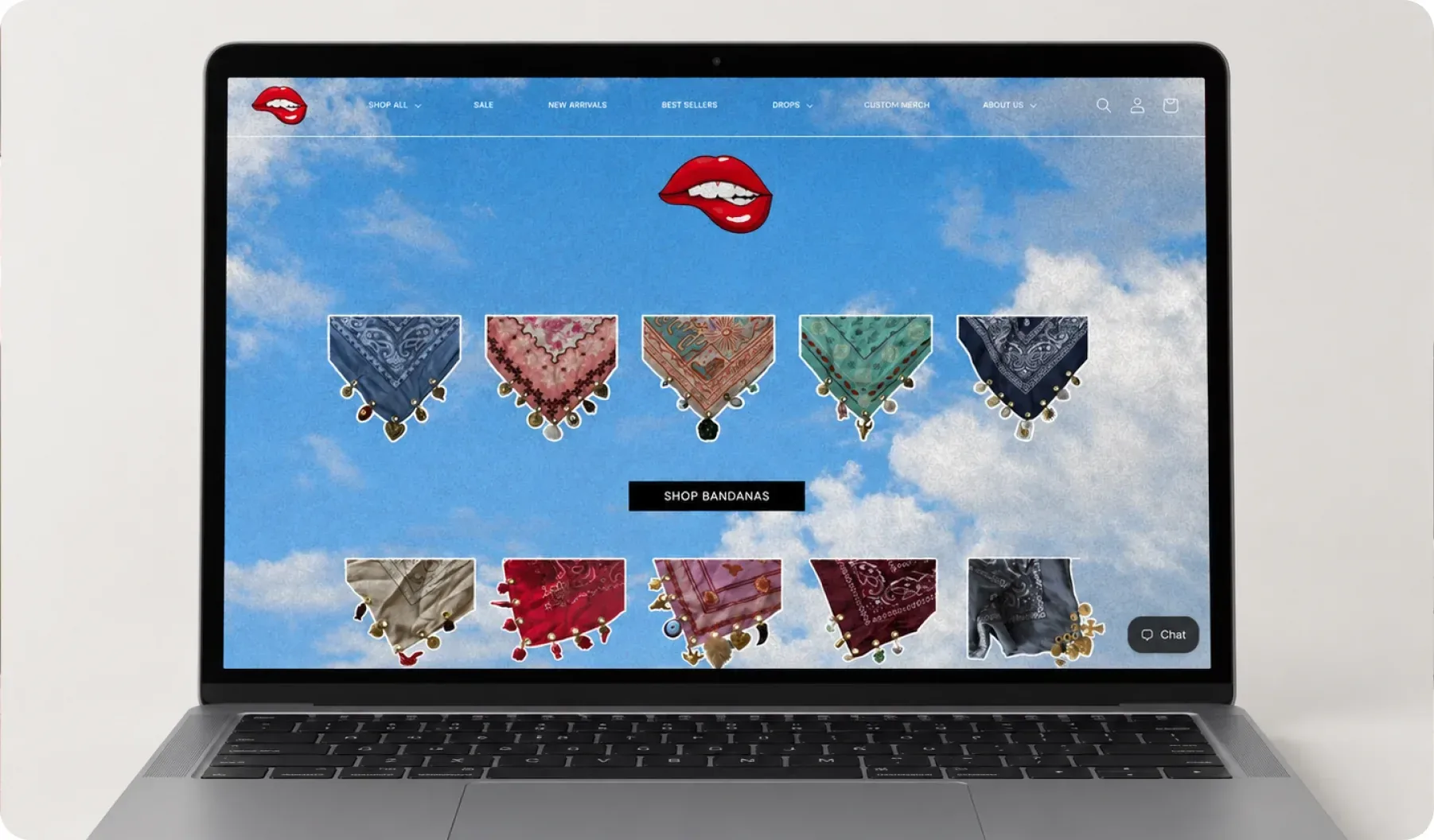
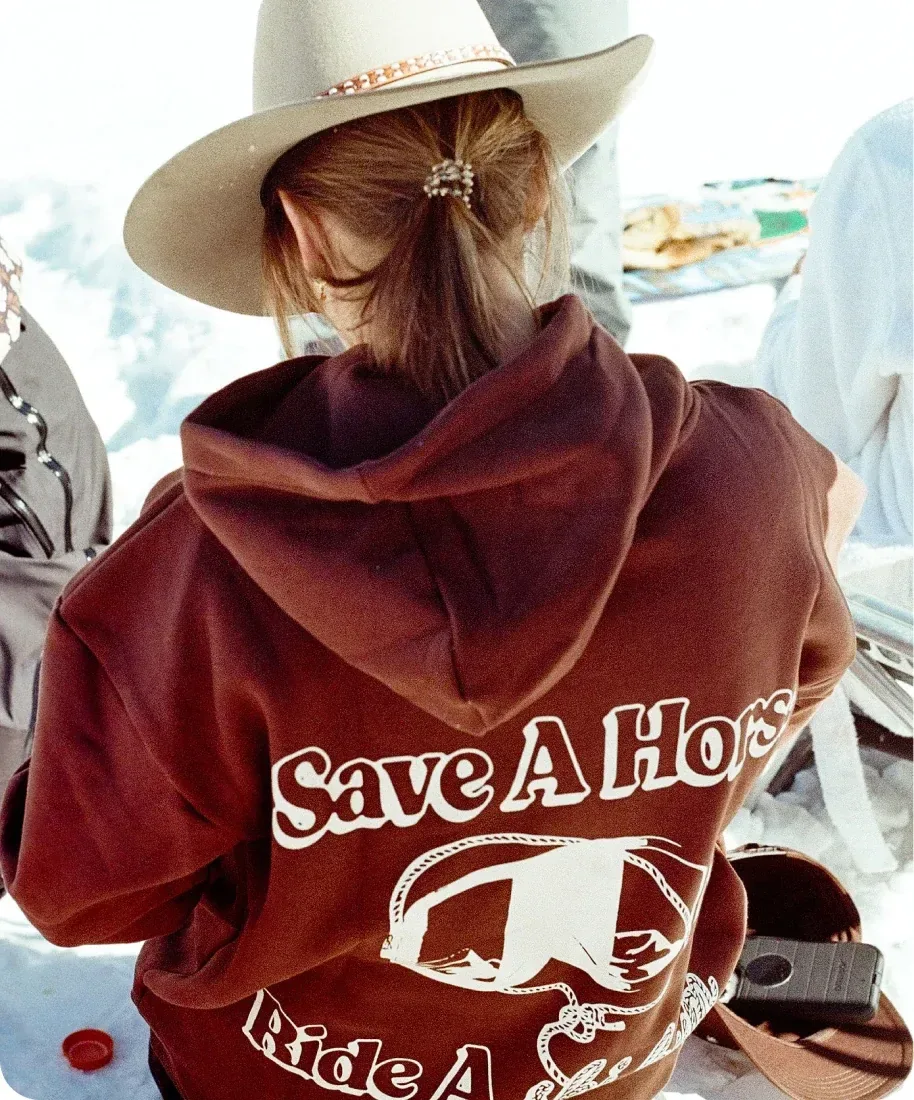
Raw & Rebellious is a digitally native women’s fashion brand that blends streetwear attitude with ski culture edge. It targets fashion-forward women aged 18 to 35 in the highly competitive DTC apparel space, with an average order value between $50 and $100.
The brand had strong creative, a clear product identity and two years of consistent paid social investment. What it lacked was scalable profitability.
The Journey
Plateaued at break-even
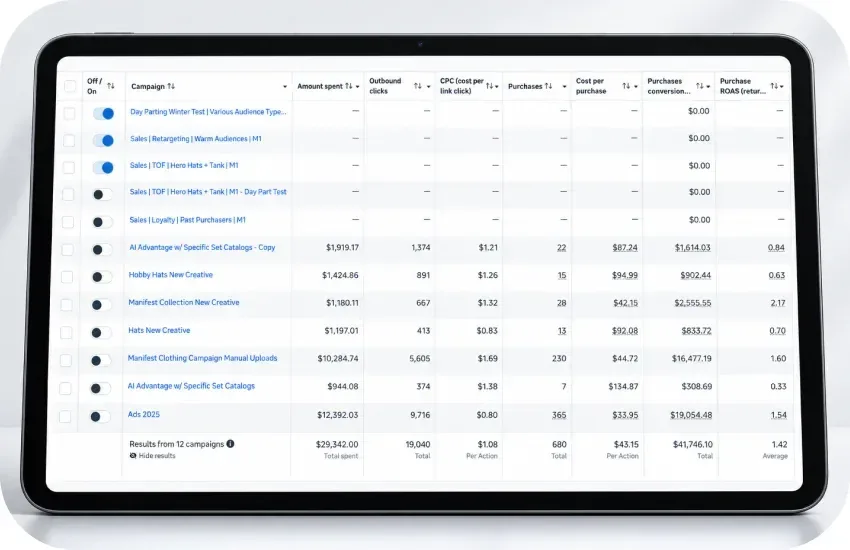
Performance had settled at 1.42 ROAS, a level that covered ad costs but left minimal room for confident growth. Revenue was flowing, but margins were compressed. Increasing spend would have increased risk, not return.
The issue wasn’t demand, and it wasn’t creative. It was structural inefficiency inside the paid acquisition framework. Without intervention, paid social would remain an expense line, not a growth engine. Beyond Media Marketing was brought in to diagnose, restructure and rebuild the system for profitable scale.
The Challenge
Automation without direction
Automation without guardrails
The account relied heavily on Advantage+ with no strategic structure. It ran one product per campaign, broad U.S. targeting across all genders and ages 18 to 65+, every placement active, no day-parting, no structured budget allocation and no defined optimization cadence.
Placements bleeding budget
Facebook delivered a 0.78 ROAS at a $61.83 CPA, while Instagram delivered 1.48 at $42.11.
Unqualified audience pool
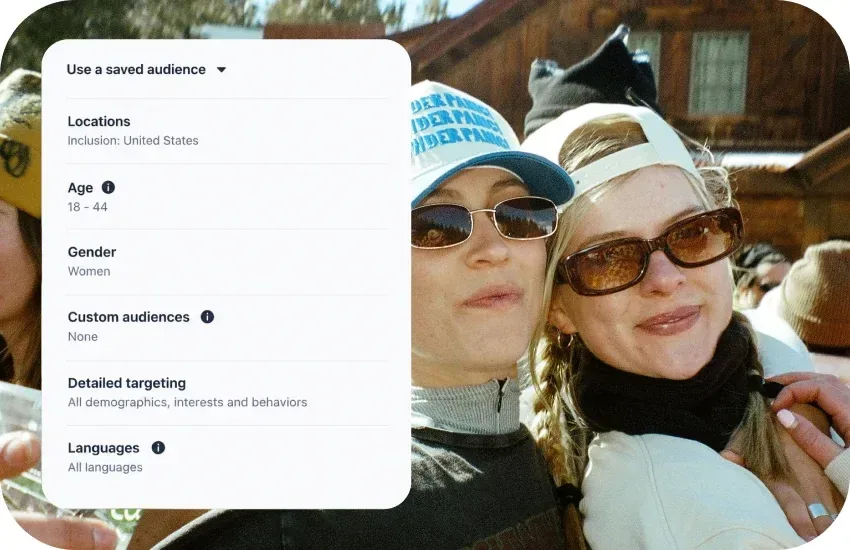
Male customers cost $94.95 per acquisition at a 0.65 ROAS, and ages 45+ cost $86 or more at a ROAS below 0.5.
The Approach
Consolidate. Narrow. Concentrate.
Platform Consolidation
We eliminated every underperforming placement: all Facebook placements, Audience Network, Messenger, Marketplace and Search Results. We retained only high-performing Instagram inventory: Feed, Stories, Reels, Explore and Profile Feed. Spend followed customer behavior.
Audience Refinement
Targeting narrowed to women aged 18 to 45 in the United States. Male targeting, the 45+ bracket and broad expansion were removed, so budget concentrated where purchase probability was highest.
Day-Parting and Budget Allocation
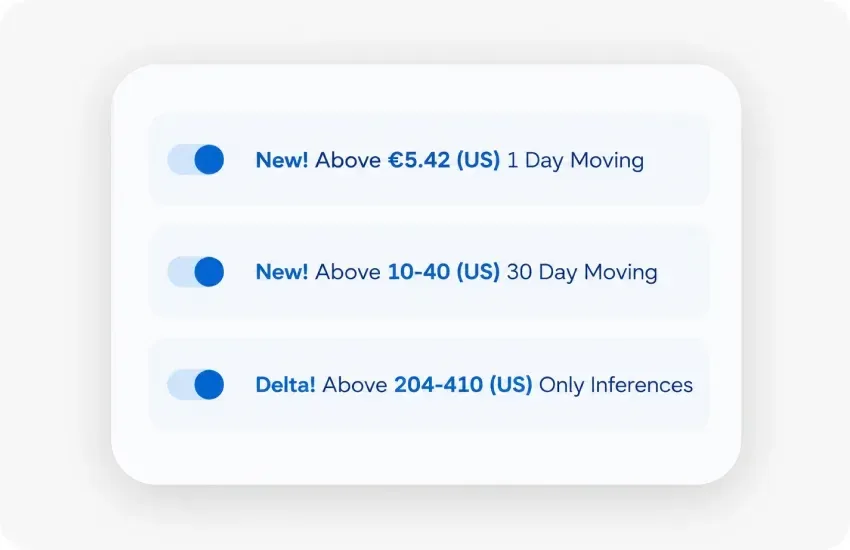
Campaigns had been running 24/7. We introduced weekday-only day-parting aligned with purchase behavior: 10% of budget from 6am to 12pm, 35% from 12pm to 6pm and 55% from 6pm to 12am. Low-intent impressions dropped and conversion density rose.
Campaign Structure Consolidation
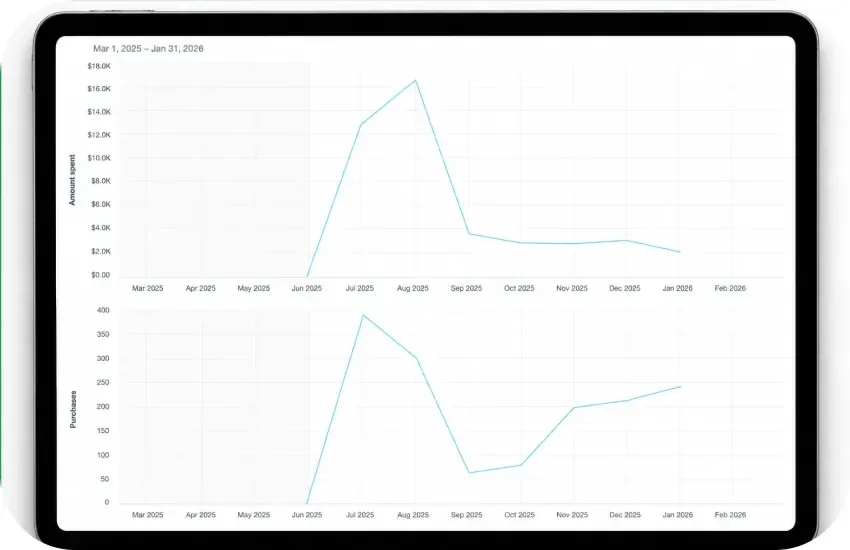
We moved from fragmented, product-based campaigns to structured, audience-based campaigns built around buyer segments, with dynamic budget allocation based on ROAS performance. Learning stabilized, efficiency improved and scaling became predictable.
The Solution
Efficiency Creates Scale.
Focus beats spread
Running ads across every available placement doesn’t guarantee better results. Concentrated delivery aligned with buyer behavior improved ROAS and reduced CPA. More reach isn’t the goal. Efficient reach is.
Automation needs guardrails
Advantage+ and algorithmic bidding can amplify results, but they can’t replace structural architecture. Without defined audience segments, placement control and a disciplined optimization cadence, automation amplifies inefficiency. AI performs best when guided by disciplined constraints.
Allocation over budget size
This turnaround didn’t require more spend. Placement elimination, audience refinement, time-based allocation, campaign consolidation and a data-led optimization cadence drove profitability, not larger budgets.
Profitability enables scale
At 1.42 ROAS, scaling increased risk. At 6.54 ROAS, scaling becomes strategic. Paid media should operate as a controlled revenue engine, not a speculative expense.


Results that speak—
and start conversations.
- Ad Spend Before BMM
- $29,342
- Ad Spend After BMM
- $14,804
- Revenue Before BMM
- $41,746
- Revenue After BMM
- $63,804
- ROAS
- 1.42 to 4.31